

Whoa, this wallet surprised me. I wasn't expecting a clean, responsive UI and quick onboarding flows. Setup took just a few minutes, and the layout felt intentional. At first glance I equated it with other wallet extensions, though after poking around I started to see some thoughtful UX choices and risk mitigations that stood out to me. My instinct said this wasn't just surface-level polish; there was depth.
Seriously, it handled tokens smoothly. I tried connecting multiple networks and chains; there were no hiccups. Transactions popped up quickly, and signing felt straightforward and intuitive. I dug deeper—checking contract interactions and custom gas options—and I liked how the extension made risky actions explicit, offering clear toggles instead of hiding them behind advanced menus. Check this out—there's a built-in protection against malicious approvals.
Hmm, that felt reassuring. Initially I thought it was just another wallet extension, but I was wrong. Actually, wait—let me rephrase that: the product aims for serious security without making users miserable. On one hand the default flows are friendly for newcomers who only need to store ETH or ERC-20 tokens, though power users will appreciate the advanced tab where granular permissions and customizable gas presets live. This balance between friendliness and control is rare in an extension wallet today.
Here's the thing. I used it on both mainnet and a busy testnet. Gas settings were visible and editable without hunting through menus. The transaction simulation and approval history features added a layer of auditability that made me comfortable approving token spends, because I could trace why an approval request wanted unlimited allowances and then revoke them later. I found the import and seed backup flows straightforward.
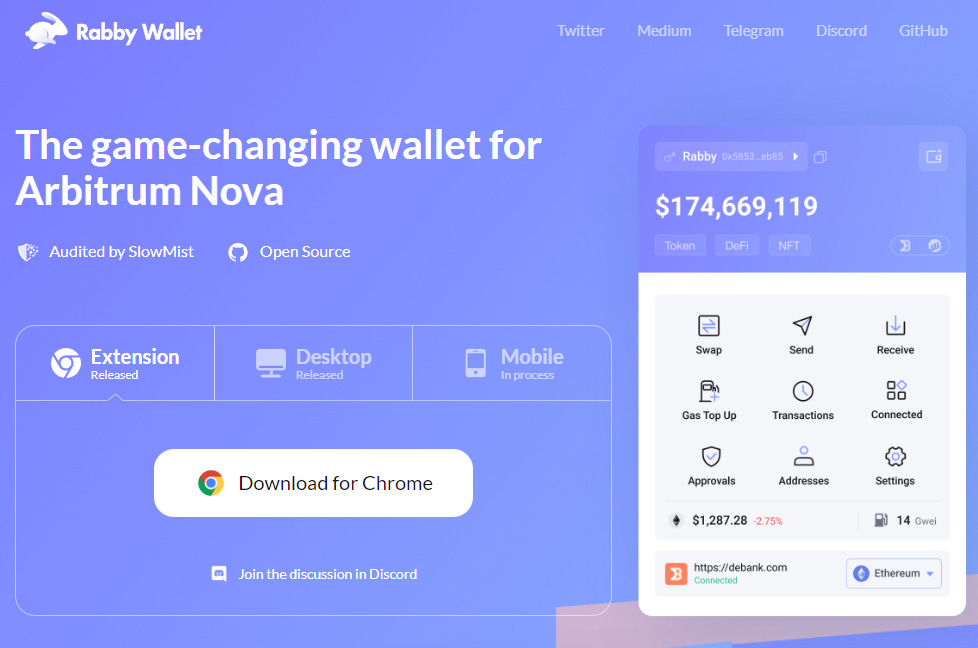
Wow, they thought about edge cases. I'll be honest—some UI bits still feel a bit young and raw. The team pushes frequent updates, though sometimes release notes are terse. On a couple of occasions I saw a minor glitch where a network dropdown didn't immediately refresh, and that cost me a second of confusion that felt silly but is fixable. Support was responsive on Twitter and the community chats (oh, and by the way, their docs had somethin' helpful).
Something felt off about one approval. I drilled down into the approval and traced it to a poorly designed DApp flow. Rabby highlighted the spender contract and suggested limited allowances. That nudge prevented a potential excessive allowance, which is the kind of subtle guardrail I wish more wallets shipped with by default since users often blindly click approve. I'm biased, but that part bugs me when wallets don't offer it.
Really, it reduced my cognitive load. Performance felt snappy on Chrome and equally responsive on Brave browser. Privacy is reasonable; local keys stay in the extension. The open-source components are documented and the permissions model is explained in plain language, which helps when you need to vet a wallet's security posture before trusting it with larger sums. In my wallet testing I moved between Ledger and software accounts seamlessly.
Hmm, I'm not 100% sure. There's a desktop app planned, according to the roadmap. If you want to try it, take a small step: use a burner account first and experiment. I've used Rabby alongside hardware wallets for higher-value transactions and used transient software accounts for experimenting with new DeFi apps, which kept my main funds isolated and lowered stress. Give Rabby a spin and see if it fits your workflow.
Try the extension
Want to download and test it yourself? Grab the rabby wallet download and follow the quick setup; start small and scale up as you get comfortable.
Okay, so check this out—Rabby isn't perfect, though it nails several things most extension wallets fumble. The approval UI and the way it surfaces permissions are the standout features for me. I liked the rhythm of everyday use, the small confirmations, the ability to revoke allowances easily, and the fact that updates actually addressed community feedback. Somethin' about that felt reassuring in a space where complacency kills funds.
FAQ
Is Rabby safe to use with Ledger?
Yes—Rabby supports hardware integrations, and you can use Ledger for signing while keeping the extension for convenience; still, always confirm addresses on your Ledger device before approving.
Where should I start if I'm new to extension wallets?
Start with a small test transaction on a less-used network or with a burner account, pay attention to approvals, and use the built-in history to learn which DApps request allowances; it's very very important to limit approvals when possible.